The role of banks in international and social affairs
Banks employ hundreds of thousands of people across Europe and face evolving employment and social policy landscapes. Through the EBF Banking Committee for European Social Affairs (EBF-BCESA), the sector engages with policymakers and social partners on matters of mutual concern, including artificial intelligence, telework, lifelong learning, and workplace wellbeing. The banking sector contributes evidence on how regulation, digitalisation, and economic change affect employment and working conditions, supporting constructive dialogue on sustainable jobs and social progress within the industry.

Our objectives
The EBF supports the banking sector's engagement in social and employment policy at the European level. To advance this work, the EBF focuses on the following objectives:
Enable the banking sector to participate constructively in European employment and social policy dialogue.
Ensure that banking sector employment and social concerns are understood by EU policymakers and social partners.
Support sustainable employment and high-quality working conditions within the European banking industry.
Social Dialogue in the Banking Sector
EBF Banking Committee for European Social Affairs (EBF-BCESA)
EBF Banking Committee for European Social Affairs (EBF-BCESA) is EBF’s competent committee for all employment and social affairs issues following the European Commission’s agenda and falling under the scope of the European Sectoral Social Dialogue Committee (SSDC) in Banking. It serves as the main platform for coordination among EBF’s employer associations and members on employment and social policy matters at EU level.
The Committee brings together social affairs experts from national banking associations and employers’ representatives and works closely with other European social partners to promote sustainable employment, high-quality jobs, and constructive and social dialogue within the European banking sector.
Projects
Projects carried out with European Commission funding with trade union partners in the banking or wider services sectors, focusing on social dialogue, capacity-building and the exchange of best practices at EU level.
Representativeness Study for the Banking Sector
Representativeness Study for the Banking Sector: overview report by the European Foundation for the Improvement of Living and Working Conditions (Eurofound). The report provides comprehensive insights into job quality, workforce characteristics and working conditions across Europe, based on extensive cross-country data and long-term trends in working life. A new report is expected in the next couple of years.
Liaison Forum
Liaison Forum meetings among European social partners arranged by the European Commission on the latest developments in the field of social dialogue, including the exchange of best practices, discussions on key EU policy developments and opportunities to strengthen cooperation and mutual understanding among stakeholders.
European Social Partners in the Banking Sector
The EBF-BCESA together with the other organisations mentioned below are the Social Partners on the employers’ side in the Sectoral Social Dialogue for the Banking sector.
European Savings and Retail Banking Group (ESBG)
European Association of Co-operatives Banks (EACB)
The European Social Partner in the banking sector on the employees’ side is UNI Europa Finance
Other Stakeholders
Directorate General Employment, Social Affairs and Inclusion (DG EMPL) of the European Commission
European Employers’ Network
The EBF-BCESA is also member of European Employers’ Network (EEN) established in the 1990s as a voluntary, informal network. Participants include BusinessEurope and representatives of European-level sectoral employers’ and business organisations which are actively involved in European employment and social policy, including in the context of Sectoral Social Dialogue Committees (SSDC).
Other Initiatives
The European Social Partners (UNI Europa Finance, EBF-BCESA, ESBG and EACB) recently concluded the three-part European Commission funded project “Impacts of Regulation on Employment in the European Banking Industry”.
- The first pillar (2017-2018) consisted of an initial mapping of the employment situation as well as the regulatory status quo in Europe’s banking sector since the start of the 2008 financial crisis. The main findings of this first phase were that the financial crisis, the growth of digitalisation, market changes, and a continuously increasing and complex EU regulatory regime have all created new trends in banking sector employment.
- The follow-up project pillar II (2019-2020) was aimed to further evaluate whether increasing regulation has led to positive or negative developments for Europe’s banking sector and its workers. The report showed an increase in the costs of doing business including compliance costs, capital requirements and additional compliance costs derived from risk monitoring practices mandated by law such as Anti-Money-Laundering rules.
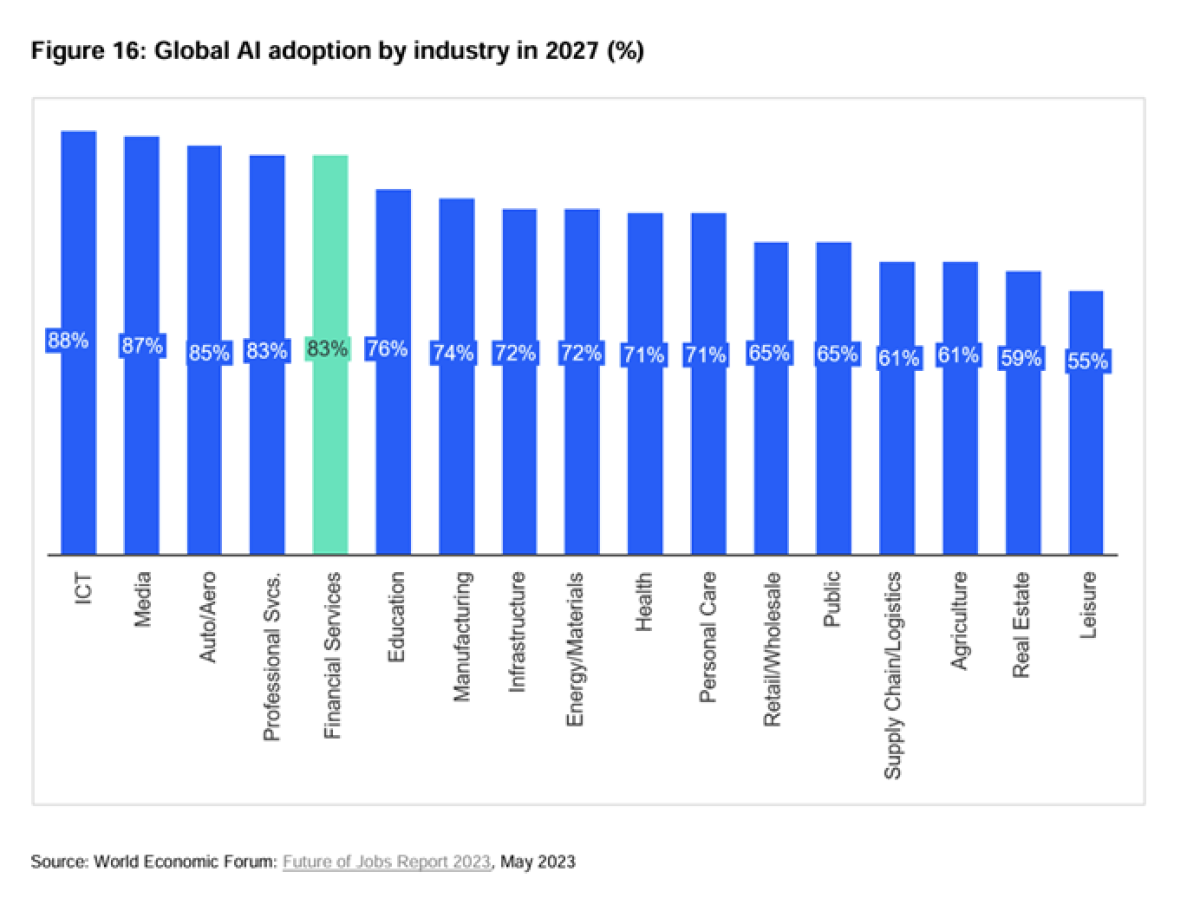
- The third and final instalment looked at how global megatrends impacted employment in the banking sector, including the Covid19 pandemic, agile working and, as the project developed, the rapid development of Artificial Intelligence systems which could be used in the sector. The report shows how different megatrends have impacted employment aspects of banking and the differences between the situation in the European Union and elsewhere, notably the US and China.
Read here the Social Partners’ Project Conclusions from Pillar 2 and here the final report from Pillar 3.
European Employers' Institute
Since January 2025, EBF-BCESA is member of the European Employers’ Institute, a not-for-profit association of European and national employers’ associations from different sectors. The Institute aims at supporting its members to promote social dialogue and developing a business-friendly regulatory environment by collecting documentation, conducting research, and producing studies on strategically important issues in the world of work. Some recent projects and publications from the EEI are as follows:










Related news & insights
Questions about this topic?
We are happy to help.